Coffee & Beans
Find The Right Bean For Your Drink
Best Coffee Beans for Lattes, Espresso, Pour-Over and More
Choosing coffee beans should be simple.
As an Amazon Associate, Coffee Shop Reports may earn commissions from qualifying purchases.
It usually is not. One bag says single-origin. Another says medium roast. The next promises chocolate, berries, citrus, brown sugar, or something called “wine-like acidity.”
You only want to know one thing:
Which coffee bean should I use for the drink I want to make? Coffee Shop Reports created this page to help answer that question.
Start with the drink.
Choose the flavor. Match the origin. Pick a roast. Then brew it your way.
The CSR Coffee Bean Formula
Drink → Flavor → Origin → Roast → Brewing Method
This is the process.
No promise that one bean will taste exactly the same in every coffee maker.
Coffee Shop Reports is produced for coffee drinkers across the United States. We support independent coffee shops, independent roasters, and people who enjoy making better coffee at home.
Quick Answer: Which Coffee Beans Should You Choose?
Here is the no-bull starting point:
- For a latte, cappuccino, flat white, or mocha, try a medium or medium-dark roast from Brazil, Colombia, or Guatemala. Look for chocolate, caramel, cocoa, brown sugar, or nutty traits.
- For pour-over coffee, try a light or medium roast from Ethiopia, Kenya, or Costa Rica. Look for floral, berry, citrus, or bright fruit traits.
- For a French press, try a medium or dark roast from Indonesia, Brazil, or Guatemala. Look for full body, chocolate, spice, or earthy traits.
- For cold brew, start with a medium-dark roast from Brazil, Colombia, or Indonesia. Look for smooth, chocolate-forward, nutty, or full-bodied coffee.
For espresso, start with a medium or medium-dark roast with enough sweetness and body to stand on its own or work with milk.
These are starting points, not strict rules. Country of origin can suggest common flavor tendencies, but farm, variety, elevation, processing, roast, grind, water, and brewing method all affect the final cup.
Choose Your Coffee Drink First
Most coffee guides begin with the bean. We think that is backwards for an amateur coffee drinker. Start with the drink you want to make. Then choose a bean that fits it.
LATTE: Best Coffee Beans, Brazilian, Colombian, Guatemalan
A latte combines espresso with a larger amount of steamed milk. You need a coffee with enough sweetness, body, and flavor to remain noticeable after the milk is added.
Want to understand how a latte differs from another milk-based coffee? Read Latte vs. Café au Lait.
CAPPUCCINO: Best Coffee Beans, Brazilian, Colombian, Guatemalan
A cappuccino normally has a stronger coffee presence than a latte because it uses less milk.
ESPRESSO: Best Coffee Beans, Brazilian, Colombian, Guatemalan, Indonesian
Here is an important point: Espresso is not a type of coffee bean or a specific roast. It is a drink named for the brewing method used to make it. You can make espresso with coffee from almost any origin.
A fine grind is generally used for espresso because the water moves through the coffee quickly
AMERICANO: Best Coffee Beans, Brazilian, Colombian, Guatemalan, Indonesian
An Americano combines espresso with hot water.
Because the drink is diluted, balanced beans with clear sweetness are a good place to start.
POUR OVER: Best Coffee Beans, Ethopian, Kenya, Costa Rica
Pour-over coffee is a good choice when you want to notice more of a bean’s aroma, acidity, and individual flavor traits. For more brewing information, visit the CSR Coffee Brewing section.
FRENCH PRESS: Best Coffee Beans, Indonesia, Brazil, Guatamela, Colombia
A French press uses immersion brewing and a metal filter. This can produce a full-bodied cup with more oils and texture than many paper-filter methods.
Explore our guides to French press coffee makers and coffee grinders for French press.
MOCHA: Best Coffee Beans, Indonesia, Brazil, Guatamela,
A mocha combines espresso, milk, and chocolate. Look for beans that support the chocolate instead of fighting it.
DRIP COFFEE: Best Coffee Beans, Brazil, Guatamela, Costa Rica, Colombia
Drip coffee is flexible. It works with a wide range of origins and roast levels.
COLD BREW: Best Coffee Beans, Indonesia, Brazil, Guatamela, Costa Rica, Colombia
Cold brew is made by steeping coffee in cool or room-temperature water for several hours.
A coarse grind is the usual starting point.
Explore the Best Coffee Beans by Country of Origin
Coffee beans are actually seeds found inside coffee cherries. Coffee grows in more than 40 countries, with climate, soil, elevation, plant variety, and processing all helping shape the final coffee.
Country of origin is useful. Use the descriptions below as a practical flavor map.

Coffee From Brazil
Typical acidity: Low to medium
Typical body: Medium to full
Suggested drinks: Latte, cappuccino, espresso, mocha, French press and cold brew
Good starting roast: Medium or medium-dark
Brazil is a useful starting point for coffee drinkers who prefer familiar chocolate and nutty flavors.

Coffee From Columbia
Common traits: Caramel, cocoa, balanced fruit and aromatic sweetness
Typical acidity: Medium and balanced
Typical body: Medium
Suggested drinks: Drip coffee, latte, Americano, espresso and French press
Good starting roast: Medium
Colombian coffee is a practical choice for someone who wants balance without giving up sweetness or character.

Coffee From Ethiopian
Common traits: Floral, berry, citrus, fruit, spice and tea-like qualities
Typical acidity: Medium to high
Typical body: Light to medium
Suggested drinks: Pour-over, drip coffee and AeroPress
Good starting roast: Light or medium
Ethiopia offers a wide range of flavors. Read the label carefully because one Ethiopian coffee may taste very different from another.

Coffee From Kenya
Common traits: Caramel, cocoa, balanced fruit and aromatic sweetness
Typical acidity: Medium and balanced
Typical body: Medium
Suggested drinks: Drip coffee, latte, Americano, espresso and French press
Good starting roast: Medium
Colombian coffee is a practical choice for someone who wants balance without giving up sweetness or character.

Coffee From Guatemala
Typical acidity: Medium to high
Typical body: Medium to full
Suggested drinks: Latte, cappuccino, espresso, French press and drip coffee
Good starting roast: Medium or medium-dark
Guatemala can sit comfortably between chocolate-forward and brighter coffees

Coffee From Costa Rica
Common traits: Clean sweetness, citrus and balanced fruit
Typical acidity: Medium to bright
Typical body: Medium
Suggested drinks: Pour-over, drip coffee and Americano
Good starting roast:Light or medium
Costa Rican coffee can be a useful bridge for someone who wants to move from balanced coffee into brighter flavors.

Coffee From Indonesia
Common traits: Earth, spice, herbs, tobacco-like notes and dark chocolate
Typical acidity: Mild or low
Typical body: Full
Suggested drinks: French press, cold brew, espresso and mocha
Good starting roast: Medium-dark or dark
Indonesian coffee is worth exploring when you want body and deeper flavors rather than a bright, citrus-forward cup.
What Else Changes the Flavor of Coffee?
Coffee Variety
Coffee has different plant varieties, just as apples have varieties such as Gala, Fuji, and Granny Smith.
Different coffee varieties can produce different flavors and perform differently depending on where they are grown. The World Coffee Research Varieties Catalog provides information on Arabica and Robusta varieties from around the world.
Elevation and Growing Conditions
Temperature, rainfall, soil, sunlight, elevation, and local climate can affect how coffee cherries develop.
Two farms in the same country may produce noticeably different coffee.
Processing Method
Coffee must be removed from the coffee cherry and dried before roasting.
Common processing descriptions include:
• Washed •Natural
• Honey processed • Wet hulled
Processing can affect sweetness, fruit, body, clarity, and aroma.
Roast Level
Roast changes how much of the bean’s original character you may notice.
As a simple starting point:
- Light roast: Often highlights brighter, floral, fruit, or origin-specific traits
- Medium roast: Often balances origin traits with sweetness and roast development
- Dark roast: Often emphasizes deeper roast flavors, bitterness, smoke, or fuller body
Read Understanding Coffee Roasting for a closer look at light, medium, dark, and specialty roasts.
Grind Size
The right grind depends on how you brew.
- Espresso: Fine
- Pour-over: Medium to medium-fine
- Automatic drip: Medium
- French press: Coarse
- Cold brew: Coarse
Coffee that tastes weak, sour, bitter, or muddy may need a grind adjustment before it needs a different bean.
Water and Brewing Method
The same bean can taste different in a French press, espresso machine, automatic drip brewer, or pour-over.
That is not a mistake.
The brewing method changes how water interacts with the grounds and what is extracted into the cup. The National Coffee Association recommends beginning with the method that makes the coffee you most enjoy, then refining your process.
How to Buy Coffee Beans Without Getting Lost
Step 1: Choose the Drink
Are you making a latte, French press, pour-over, drip coffee, or cold brew?
Step 2: Choose a Flavor Direction
Do you want chocolate, caramel, fruit, citrus, spice, earth, or something balanced?
Step 3: Pick an Origin
Use the CSR origin guide (above) to narrow the field.
Step 4: Choose the Roast
Start with a roast that fits your drink and flavor goal.
Step 5: Buy a Smaller Bag
A smaller bag gives you a chance to learn what you enjoy without committing to several pounds of coffee.
Step 6: Keep Simple Notes
Write down:
- Coffee origin
- Roaster
- Roast level
- Brewing method
- Grind setting
- What you liked
- What you would change
You do not need a formal tasting certification.
You need enough information to make your next cup better.
Buy Fresh and Support an Independent Coffee Shop
One of the best places to learn about coffee beans is an independent coffee shop or local roaster.
Tell the barista what you are making and what flavors you like.
Try asking:
- Which bean would you recommend for a latte or cappuccino?
- Which origin has chocolate or caramel traits?
- When was this coffee roasted?
- Is this a single-origin coffee or a blend?
- Which grind should I use for my brewer?
- Do you brew this bean in the shop?
When possible, buy a smaller amount and try it at home.
Fresh whole beans stored in an airtight, opaque container in a cool location are a practical choice. Grinding the amount you need shortly before brewing can help preserve flavor.
Learn about the independent shops CSR has personally visited in our Coffee Shop Verified Visits section. CSR publishes a Verified Visit report only after an in-person visit.
Keep Learning About Coffee
Coffee has a long road from the farm to your cup.
These resources can help you understand more of that story.
Coffee Associations and Educational Resources
- National Coffee Association: About Coffee
Beginner-friendly information about origins, beans, roasts, storage, and brewing. - World Coffee Research Varieties Catalog
A catalog of Arabica and Robusta coffee varieties - Specialty Coffee Association
Coffee standards, education, research, competitions, and industry resources. - Coffee Quality Institute
A nonprofit organization providing coffee education and working to improve coffee quality and producer livelihoods. - International Coffee Organization
Information about the international coffee sector, producing countries, markets, and coffee development.
Documentaries and TV Programs
- A Film About Coffee
A documentary exploring specialty coffee from farms in Honduras and Rwanda to coffee shops in the United States and Japan. - Black Gold on PBS
A documentary focused on Ethiopian coffee farmers and the economics behind the coffee trade. - COFFEE: The Universal Language on PBS
A documentary series exploring the cultural and social connections created by coffee.
Coffee Podcasts
- The Coffee Podcast
Interviews and episodes covering coffee from seed to cup. - Specialty Coffee Association Podcast
Discussions, lectures, interviews, and stories from the specialty coffee industry. - The Science of Coffee
A limited series covering water, extraction, plant genetics, espresso, milk foam, and other coffee science topics.
- What are the best coffee beans for a latte?
- Do I need special espresso beans to make espresso?
- Which coffee beans are usually less acidic?
- Where should I buy coffee beans?
- Are whole coffee beans better than pre-ground coffee?
- How should I store coffee beans?
Brazilian, Colombian, and Guatemalan beans are practical starting choices. Look for a medium or medium-dark roast with chocolate, caramel, cocoa, nut, or brown sugar traits.
No. Espresso is a drink and brewing method, not a specific bean or roast. Almost any coffee can be used, although medium and medium-dark beans with sweetness and body are often easier starting points for beginners.
Coffee from Brazil and Indonesia is often described as having lower or milder acidity. Roast, processing, water, and brewing method can also change how acidic the coffee tastes.
Start with an independent coffee shop or roaster. Tell them which drink you make, which brewer you own, and which flavors you enjoy. Ask about the origin, roast date, processing method, and recommended grind.
Whole beans give you the option to grind immediately before brewing and match the grind to your brewing method. Pre-ground coffee is convenient, but it begins losing aroma and flavor more quickly after grinding.
Read the CSR guide to whole coffee beans vs. pre-ground coffee.
Store them in an airtight, opaque container in a cool, dry location. Buy amounts you can use while the coffee still tastes fresh. Avoid leaving beans open to air, moisture, heat, or direct light.
The Final Word on Coffee Beans
The right coffee bean is not the one with the fanciest bag.
It is the bean that fits your drink, your brewer, and the flavors you enjoy.
Start with the drink. Match the bean. Brew safely. Support the people who make good coffee possible.
Choose the drink. Match the bean. Enjoy the cup.
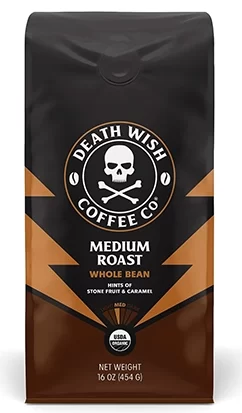
Death Wish Coffee Co., Organic and Fair Trade, Medium Roast, Whole Bean Coffee, 16 oz
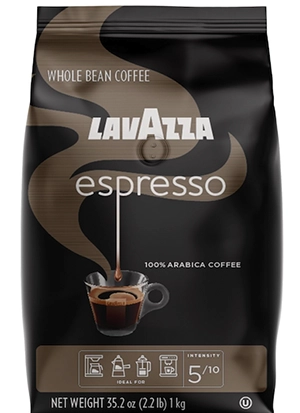
Lavazza Espresso Whole Bean Coffee Blend, Medium Roast,Premium Quality Arabic, 2.2 Pound (Pack of 1)
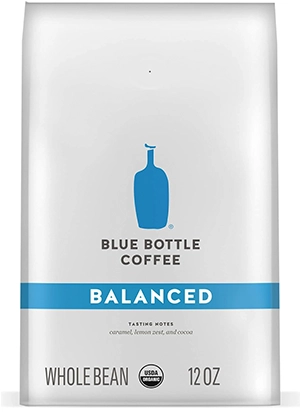
Blue Bottle Whole Bean Organic Coffee, Balanced, Medium Roast, 12 Ounce bag (Pack of 1)
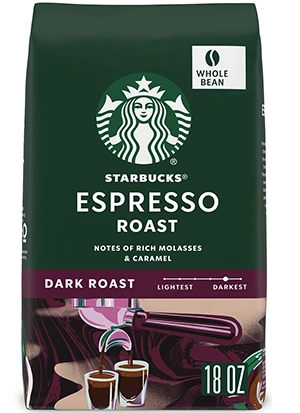
Starbucks Dark Roast Whole Bean Coffee — Espresso — 100% Arabica — 1 bag (18 oz)
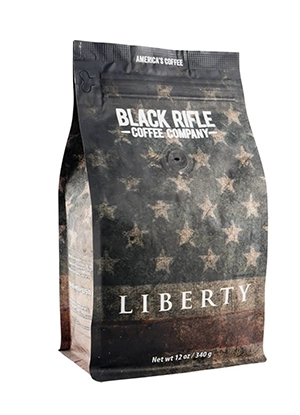
Death Wish Coffee Co., Organic and Fair Trade, Medium Roast, Whole Bean Coffee, 16 oz
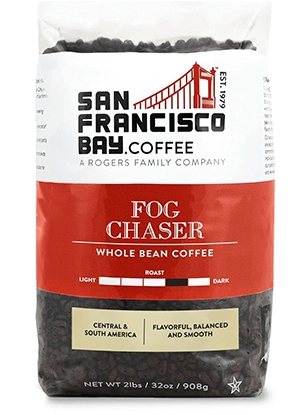
Fog Chaser is a blend of dark and medium roasted beans - a medium dark roast coffee. It's a combination of flavor, balance and smoothness. (2lb bag)
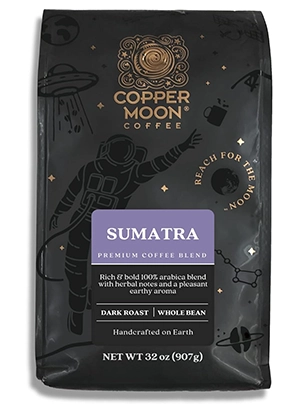
Copper Moon Sumatra coffee is a more bold and intense coffee experience. The rich aroma and earthy flavors o deliver flavor notes including dark cherry, cacao and a smoky finish.